Choosing Outdoor Planters: Durability and the Right Plant
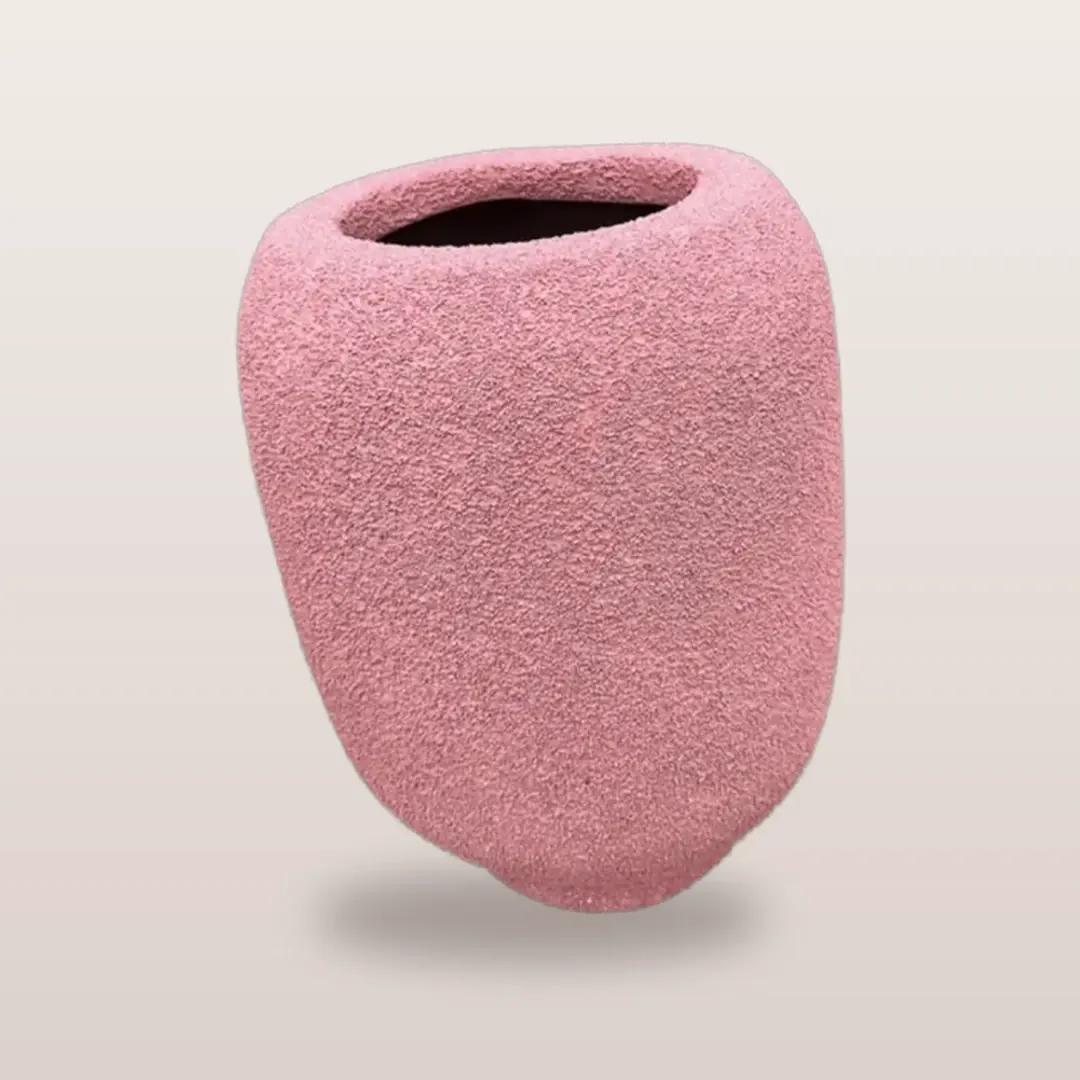
An outdoor planter faces far tougher conditions than an indoor one: sun, rain, frost and wind all at once. That is why durability should stand alongside aesthetics when choosing planters for a garden, terrace or facade. Glass fiber reinforced planters offer a long lasting, low maintenance solution thanks to their resistance to the elements.
Resistance to Winter and Frost
Materials that absorb water carry serious risk in winter; water that seeps in expands as it freezes and cracks the planter. This is why ceramic and some concrete types are short lived outdoors. Fiber has a structure that does not absorb water, so it is unaffected by the freeze thaw cycle and holds its form even through hard winters. This property is decisive for projects that stay outside all year.
Color Retention Against UV
The biggest enemy of a planter under constant sun is fading. When a UV protected gelcoat is used on the surface, fiberglass planters keep their color vivid for years. Because we hand paint in our own workshop, we specifically strengthen light resistant pigment and the protective layer on products destined for outdoors. This lets facade and garden projects keep their original look for a long time.
Drainage and Water Management
Outdoors, plant health depends heavily on drainage. Rainwater pooling around the roots leads to root rot. That is why we add drainage holes and, when needed, an internal drainage system to our outdoor planters. Combined with a drainage layer at the base, excess water is carried away in a controlled way and keeps plant roots breathing.
Wind and Weight Balance
On upper floors, terraces or open areas, wind is an important factor. A very light planter can topple, while an overly heavy form is hard to move and place. Fiber strikes exactly this balance: light enough to carry, yet stable enough to stay put with the right plant and soil weight. In windy spots it is also possible to add weight to the base to increase stability.
Matching the Right Plant
The right plant is as important as the planter. Weather hardy species such as olive, cypress, boxwood or ornamental grasses should be matched with a planter size that suits root depth. A deep rooted tree needs enough volume, while seasonal flowers do better in shallower, wider forms. The right match secures both plant health and visual balance.
Why Fiberglass Is Ideal
For outdoor use, fiber combines durability, light weight and design freedom in a single product. Because we produce everything from mold to hand painting in our own workshop, we adapt size, form and color to your project. Our fixed USD pricing also provides budget security on landscape projects with long lead times.
Choosing Scale by Location
For outdoor planters, scale should be set according to the character of the space. Large, striking forms sit in balance at a wide garden entrance, while the same sizes overwhelm a narrow balcony. On the facades of tall buildings, planters are expected to have clean lines that read even from a distance. Assessing the scale of the use area together with surrounding structures and plants delivers a result that is both aesthetic and functional.
Seasonal Use and Flexibility
The light weight of fiberglass planters brings great convenience through seasonal changes. When preparing a summer arrangement for winter, moving the planters to a sheltered area is effortless. The same planter can take on a different look all year with a change of seasonal plants. This flexibility is valuable especially in areas whose layout changes often, such as hotel terraces and restaurant gardens.
If you would like support choosing suitable planters for your garden, terrace or facade project, reach us via WhatsApp or our contact page.