Fiberglass Planter Care and Cleaning: A Longevity Guide
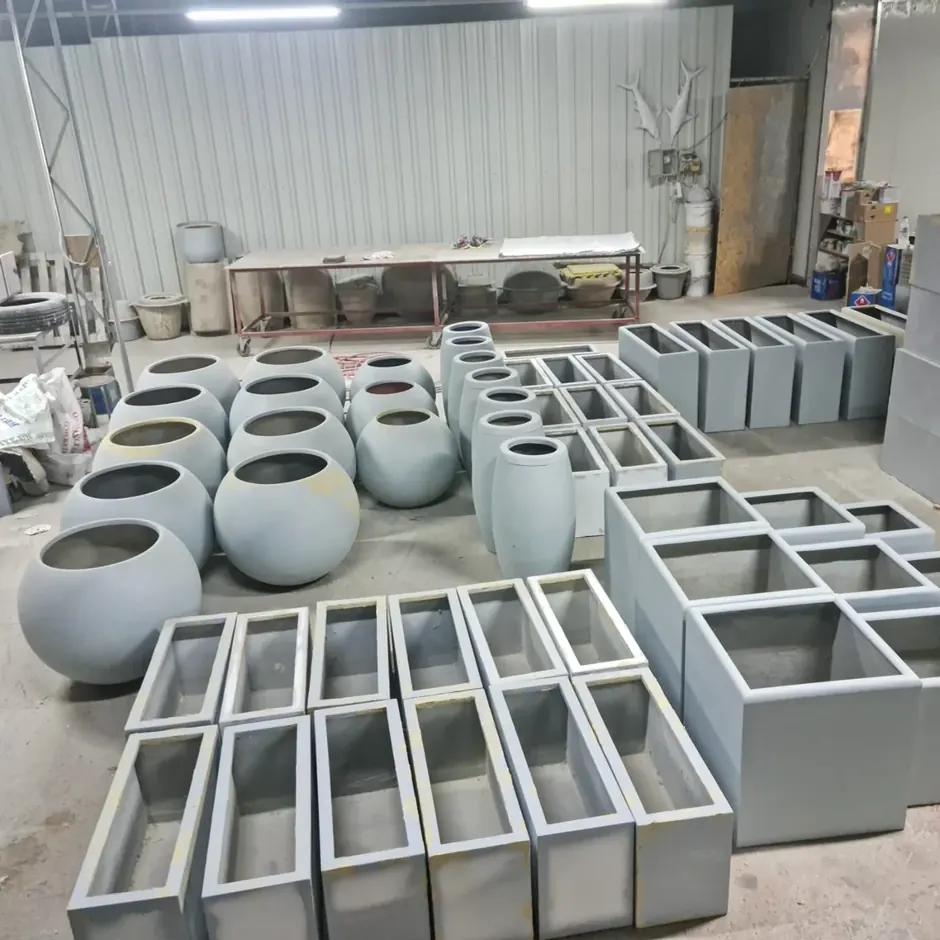
Fiberglass planter care is far easier than most people assume; still, a few simple habits noticeably extend the life of the product. Although glass fiber reinforced planters have a durable structure, regular cleaning and seasonal protection keep them looking new for years. This guide walks through practical steps from daily cleaning to winter protection.
Regular Cleaning
The biggest advantage of the fiber surface is its smooth, non porous gelcoat layer, so dust and dirt do not soak into it. Wiping with a damp, soft cloth is enough in most cases. For more stubborn dirt, add a few drops of neutral soap to warm water and clean gently with a cloth. Avoid abrasive sponges, steel wool and harsh chemicals, as these dull the gloss of the gelcoat.
Scratches and Touch Ups
Surface scratches that may appear over time are easy to fix on fiberglass planters. Light scratches can be buffed out with a fine polish. For deeper marks where the paint is damaged, touch ups are possible; because we hand paint in our own workshop, we can keep the color code and apply a perfectly matching touch up. This means you do not have to replace a planter over a single scratch.
Drainage Maintenance
Along with the planter's longevity, the health of the plant inside is part of care. A clogged drainage hole causes water to collect at the bottom and leads to root rot. Check the drainage point at the start of each season and clear away accumulated soil and root debris. A gravel or drainage layer at the base keeps water flowing properly, protecting both the plant and the planter.
Winter Protection
Fiber is frost resistant and does not crack in winter because it does not absorb water; even so, a few precautions help. Before winter, clear excess water from inside the planter and make sure drainage is open. In very harsh climates, placing the planter on small feet or blocks instead of directly on cold ground reduces heat loss and moisture buildup at the base. This simple step protects both the plant roots and the planter base.
Preserving Color and Gloss
For planters exposed to long hours of sun outdoors, a suitable surface polish can be applied once a year to preserve gloss. This refreshes UV protection and keeps the color vivid. Indoors, regular dusting is usually enough. For planters in front of windows with constant direct sun, rotating them occasionally keeps any color change even.
Small Habits for a Long Life
When moving heavy planters, lift rather than drag them to prevent base wear. If fertilizer or chemicals touch the surface, wiping them off immediately prevents staining. When these small habits come together, your fiberglass planter can stay in the project for decades.
A Seasonal Care Calendar
Putting care on a routine noticeably extends the life of the product. In spring, the dirt built up over winter is cleaned and drainage is checked. In summer, in hot and dusty weather, an occasional wipe of the surface is enough. In autumn the planter is prepared for winter and excess water is drained. A final check before winter is the most important step against the risk of freezing. This simple calendar offers a practical framework for all planters, indoor and outdoor.
The Indoor and Outdoor Difference
Indoor planters mostly need no extra care beyond dusting and an occasional wipe with a damp cloth. Outdoor planters, exposed to sun, rain and seasonal changes, ask for slightly more regular attention. Surface polishing and drainage checks should be done more often outdoors. Knowing this distinction saves unnecessary labor and makes it easier to give each planter exactly the care it needs.
If you would like support with care, touch ups or a new planter, reach us via WhatsApp or our contact page and we will gladly share our experience.